



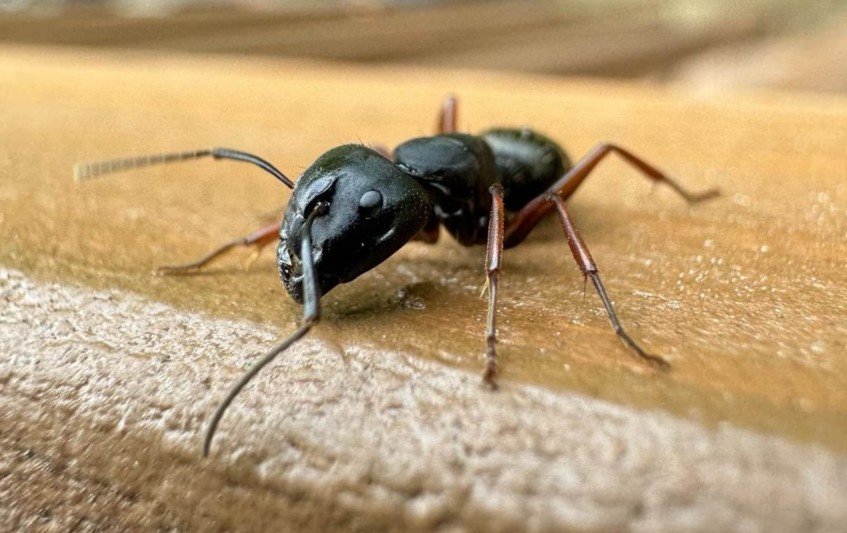
Beaverton homeowners love their gorgeous cedar homes, but there is an unwanted housemate that has a fondness for this premium wood. Carpenter ants have become a growing problem in the city, particularly in homes with cedar siding and those with older construction. This sort of wood-boring insect does not actually consume the wood like a termite, and instead drills into wood to form a nest, leaving chunks of your home filled with gaping tunnels that weaken its structure.
These pests flourish in the moisture-rich environment created by Beaverton’s 43 inches of annual rainfall, and cedar homes are much more likely to be affected by infestations than many homeowners realize. If you notice powdery debris on nearby wooden surfaces or see large black ants marching through your property, talk to Saela Pest Control promptly to prevent minor damage from escalating into an expensive restoration task.
Beaverton’s Climate: A Perfect Match for Carpenter Ant Activity
While Beaverton is a gorgeous place to live, with its lush greenery, the Pacific Northwest climate that fosters such greenery is also a perfect environment for carpenter ant populations to thrive. These pests remain active year-round in our mild winters, where we rarely experience extended periods of freezing temperatures and never truly experience cold winters. The months between October and May are among the wettest, with humidity remaining high throughout the year, which means that carpenter ants cannot resist the moisture. As wood absorbs this moisture, it slowly begins to soften, creating ideal conditions for expanding ant colonies. Peak activity periods occur in spring and early summer when established colonies dispatch winged reproductive ants to initiate new nests, likely inside your walls or attic.
Why Cedar Wood Attracts Carpenter Ants
1. Natural Moisture Retention Properties
The natural oil in cedar and its cellular structure differ from those of other woods, such as mahogany, and contribute to cedar’s ability to retain moisture after exposure to rain or humidity. That same ability to retain moisture, which makes cedar so attractive to builders because of its resistance to rot, also makes it a good target for carpenter ants. Carpenter ants prefer wood with a moisture content of more than 15{6c88afa0e54f6173802e8b4f870785b2b9755e71de5598dabf4599472ddad550}, and given Beaverton’s weather, cedar easily reaches this level (to 20-25{6c88afa0e54f6173802e8b4f870785b2b9755e71de5598dabf4599472ddad550} moisture content).
2. Softer Wood Structure for Easy Excavation
Cedar is a softwood (rating between 320–350 on the Janka hardness scale), so it is softer and far more manageable for carpenter ants to excavate than oak or maple, both hardwoods. Ants do not have to work quite so hard to build their elaborate tunnel systems. Think of it like digging in packed clay vs loose dirt. Cedar is softer, making for a path of least resistance that the ants will always find.
Common Areas of Infestation in Cedar Homes
Carpenter ants prefer certain areas of cedar homes where water collects and wood remains wet. Roof eaves and fascia boards top the problem list; they are routinely pummelled with rain and start to develop small leaks that can go unseen for months. Number two is window and door frames, particularly on the north side of a home, away from the dry sun on wood. Cedar deck posts and railings are essentially carpenter ant magnets, as they are often located near ground moisture and are exposed to soaking rain from above.
Professional Carpenter Ant Treatment in Beaverton
You can not simply spray the ants that you see on the kitchen counter to eliminate a carpenter ant infestation. Colonies like these can be in the thousands, with satellite nests sprinkled all over your property. Saela Pest Control has provided targeted treatment plans to help Beaverton homeowners protect their cedar homes by targeting the parent colony as well as any satellite nests. This includes applying a mixture of exterior barrier treatments, specific interior applications, and baiting systems that workers take to the queen.